Clogged Drain Services
Reliable & Fast Plumbers for Your Clogged Drains
Call Now For Your Free Estimate
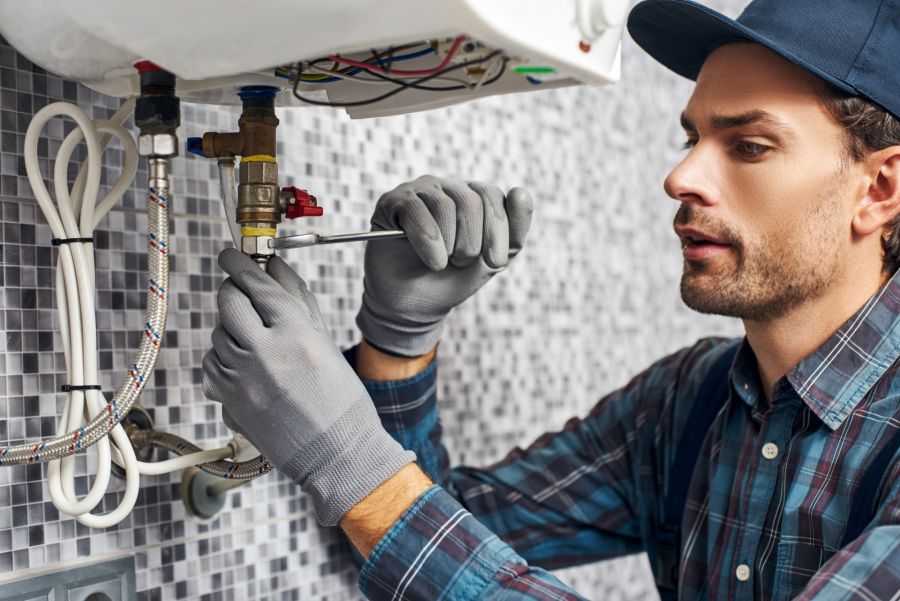
Are your drains clogged? Is water draining much more slowly than expected lately? It may be time to call the plumbing professionals at Liberty Plumbing and Drain. We've been unclogging drains in local homes and businesses since 2007, and we'd be happy to help. Our plumbers are courteous and knowledgeable, and our prices are fair. Call today for a free estimate to unclog your drains.
Call for a FREE Quote
❝Professional, Prompt & Clean!❞
★★★★★ - "Professional and prompt! I am a Realtor and had to coordinate a couple of repairs after inspection for a Seller who doesn’t live in town. The process was easy breezy! It’s a messy business, but they do great, clean work. Thank you, Enrique!"

Brittany Nicole
Clogged Drain Services
There are several reasons why your drain may not be working optimally. First, there are many older homes and corporate buildings with older pipes that will corrode over time. We'll inspect those pipes to ensure that they are not impeding your drainage. If there is not an issue with the pipe itself, then we'll look at what's going down the pipe. Pipes are made to drain water. Anything other than liquids that are going down the pipes could potentially clog the drain. Kitchen sinks often endure a lot of abuse from cooking grease, paper products, and food remains. Over time, without maintenance, kitchen sinks can become clogged with these items. Bathroom drains are exposed to a variety of personal care products and human hair. The combination of soap and hair accumulation can be particularly effective in clogging your bathroom drains.
How to Avoid Clogged Drains
- To avoid kitchen drain blockage, scrape food off plates before rinsing them in the sink
- Utilize a strainer in your sinks and tub basins to catch food products and hair
- Before turning on the garbage disposal, run cold water
- Before turning off the garbage disposal, run water through it for several seconds
- Never put cooking grease down the sink; rather, let it harden at room temperature and throw it in the trash
Why Call Liberty Plumbing and Drain To Unclog Your Drain?
- Simple appointment scheduling: We'll arrive promptly to assess your drain problem
- Free, fair quotes: We'll provide a written, reasonable estimate
- Efficient service: In most cases, our techs will have the necessary parts and equipment to unclog your drain on the spot
- Trusted employees: All of our plumbers are properly vetted and thoroughly trained
Call Liberty Plumbing and Drain at (561) 405-7759 today for a free drain cleaning quote and learn why we are the area's trusted plumbing contractor!
The Plumbers You Want to Call
Clogged Drain Faqs
-
▼ What are the most common causes of clogged drains in homes?
The most frequent causes of drain clogs include:
- Hair and soap scum in bathroom sinks and showers.
- Grease, oil, and food particles in kitchen sinks.
- Foreign objects like toys, jewelry, or hygiene products accidentally flushed or washed down drains.
- Mineral buildup from hard water, especially in areas with older plumbing.
- Tree roots infiltrating sewer lines, particularly in homes with mature landscaping.
- Flushed non-flushable items like wipes, cotton swabs, or dental floss.
-
▼ How can I prevent my drains from clogging?
To keep your drains clear and functional:
- Use drain strainers in sinks, showers, and tubs to catch hair, food, and debris.
- Avoid pouring grease, oil, or coffee grounds down the kitchen sink.
- Dispose of food waste in the trash or compost instead of the garbage disposal.
- Run hot water down the drain for a few minutes after each use to help flush out residue.
- Clean drains regularly by pouring a mixture of baking soda and vinegar followed by hot water.
- Schedule annual professional drain cleaning to remove buildup and prevent clogs.
-
▼ Are there any long-term solutions to reduce clogs caused by hard water?
Yes! If hard water is causing mineral buildup in your pipes:
- Install a water softener to treat water before it enters your home’s plumbing system.
- Use a descaling agent periodically to dissolve mineral deposits in pipes and fixtures.
- Consider replacing older pipes with PVC or corrosion-resistant materials if buildup is severe.
-
▼ What are some effective DIY methods to unclog a drain?
For minor clogs, try these methods:
- Plunger: Cover the drain completely with the plunger and plunge vigorously to dislodge the clog. For sinks, ensure you block the overflow hole for better suction.
- Baking soda and vinegar: Pour ½ cup of baking soda into the drain, followed by ½ cup of vinegar. Let it sit for 15–30 minutes, then flush with hot water.
- Drain snake (auger): Insert a drain snake into the drain to break up or pull out the clog. This tool is especially useful for hairballs in shower drains.
- Boiling water: Pour boiling water down the drain to dissolve soap scum, grease, and minor buildup. Repeat if necessary.
- Wet/dry vacuum: Use a wet/dry vacuum to suck out standing water and dislodge the clog.
-
▼ Can I use chemical drain cleaners to unclog my drain?
While chemical drain cleaners can be effective for minor clogs, they are not recommended for frequent use because:
- They can damage pipes, especially older metal or PVC pipes.
- The harsh chemicals are harmful to the environment and can corrode septic systems.
- They may fail to clear tough clogs like tree roots or deep mineral buildup.
- They pose health risks if mishandled or inhaled.
Instead, opt for natural or mechanical solutions or call a professional plumber.
-
▼ : When should I call a plumber for a clogged drain?
It’s time to call a professional plumber if:
- DIY methods fail to clear the clog after multiple attempts.
- The drain backs up repeatedly, even after cleaning.
- You suspect tree roots are clogging your sewer line (signs include gurgling noises, slow drains in multiple fixtures, or sewage smells).
- There is a foul odor coming from the drain, indicating a deep blockage or sewer issue.
- You notice water pooling around floor drains or in your yard, which could signal a sewer line break.
- The clog is accompanied by multiple slow drains in your home, suggesting a main line issue.
-
▼ How does hard water affect my drains?
Hard water contains high levels of minerals like calcium and magnesium. Over time, these minerals can:
- Build up in pipes, reducing water flow and causing clogs.
- Leave white, chalky residue on fixtures and drains.
- Reduce the effectiveness of soaps and detergents.
- Shorten the lifespan of water heaters, appliances, and plumbing fixtures.
-
▼ What can I do to reduce mineral buildup in my drains?
To combat hard water issues:
- Install a water softener to treat water before it enters your home.
- Use a descaling agent like citric acid or vinegar to dissolve mineral buildup in pipes and fixtures.
- Flush drains regularly with hot water to prevent accumulation.
- Schedule annual pipe cleaning with a plumber to remove mineral deposits and inspect for corrosion.
-
▼ What should I do if a clogged drain causes a sewage backup in my home?
A sewage backup is a serious health hazard and requires immediate action. If this happens:
- Turn off the water supply to prevent further backup.
- Avoid using toilets, sinks, or showers to minimize water flow.
- Call a plumber immediately to assess and repair the issue.
- Contact a professional cleanup service to sanitize the affected area and remove contaminated materials.
- Document the damage with photos or videos for insurance purposes.
- Ventilate the area by opening windows and using fans to air out the space.
-
▼ Who is responsible for clearing clogs in a rental property?
Responsibility depends on the lease agreement and local laws, but generally:
- Landlords are responsible for maintaining plumbing systems and addressing clogs caused by normal wear and tear or aging infrastructure.
- Tenants are responsible for clogs caused by misuse, such as pouring grease down the drain or flushing non-flushable items.
If you’re a tenant, report clogs in writing to your landlord or property manager and allow reasonable access for repairs. If you’re a landlord, respond promptly to maintenance requests to avoid further damage.

-Logo.wine.svg)